One of the most frequently asked questions about traveling to Italy is which season is the best to visit, and the answer may be something you might not expect.
The reality is that choosing the best time to visit Italy is like choosing who your favorite child is – simply impossible. With Italy’s rich history, vibrant culture, and stunning landscapes offering something unique all year long, it’s no wonder that visitors return year after year in search of new experiences beyond your typical destinations.
The secret lies in that Italy is truly a destination for all seasons. And the key to planning your dream Italian getaway is understanding what you want to experience in Italy and knowing what time of year will allow you to have those experiences. Whether you’re a skiing enthusiast, an avid wine lover, a history buff, or in search of seasonal culinary delights, Italy can be the perfect travel destination year-round. You just need to know what is the best time to visit Italy for you!
That’s why in this guide, we’re unveiling the seasonal treasures of Italy to help you decide on the best time to plan your trip to Italy.
One of the most frequently asked questions about traveling to Italy is which season is the best to visit, and the answer may be something you might not expect.
The reality is that choosing the best time to visit Italy is like choosing who your favorite child is – simply impossible. With Italy’s rich history, vibrant culture, and stunning landscapes offering something unique all year long, it’s no wonder that visitors return year after year in search of new experiences beyond your typical destinations.
The secret lies in that Italy is truly a destination for all seasons. And the key to planning your dream Italian getaway is understanding what you want to experience in Italy and knowing what time of year will allow you to have those experiences. Whether you’re a skiing enthusiast, an avid wine lover, a history buff, or in search of seasonal culinary delights, Italy can be the perfect travel destination year-round. You just need to know what is the best time to visit Italy for you!
That’s why in this guide, we’re unveiling the seasonal treasures of Italy to help you decide on the best time to plan your trip to Italy.
Best Time to Visit Italy by Interest
Wine Enthusiasts: September (vendemmia/wine harvest) and November (unique appassimento wines)
Foodies: October (olive harvest, fall food festivals) and late spring/early summer (fresh seasonal produce like asparagus and strawberries)
Truffle Lovers: November (peak white truffle season), however you can still get good black truffle in October which is why on Italy’s Epicurean Journey we take you truffle hunting and to visit a family-run olive mill to taste the new olive oil – an experience that only happens once-a-year!
Beach Travelers: Late June through August (warmest weather, longest days)
Cultural Explorers: April-May and September-October (mild weather, fewer crowds than summer)
Budget Travelers: November-March excluding holidays (lowest prices, fewest tourists – but with lower costs you get shorter days and often not the best weather during the winter months)
Festival Seekers: February/March (Carnevale) and December-January (Christmas markets)
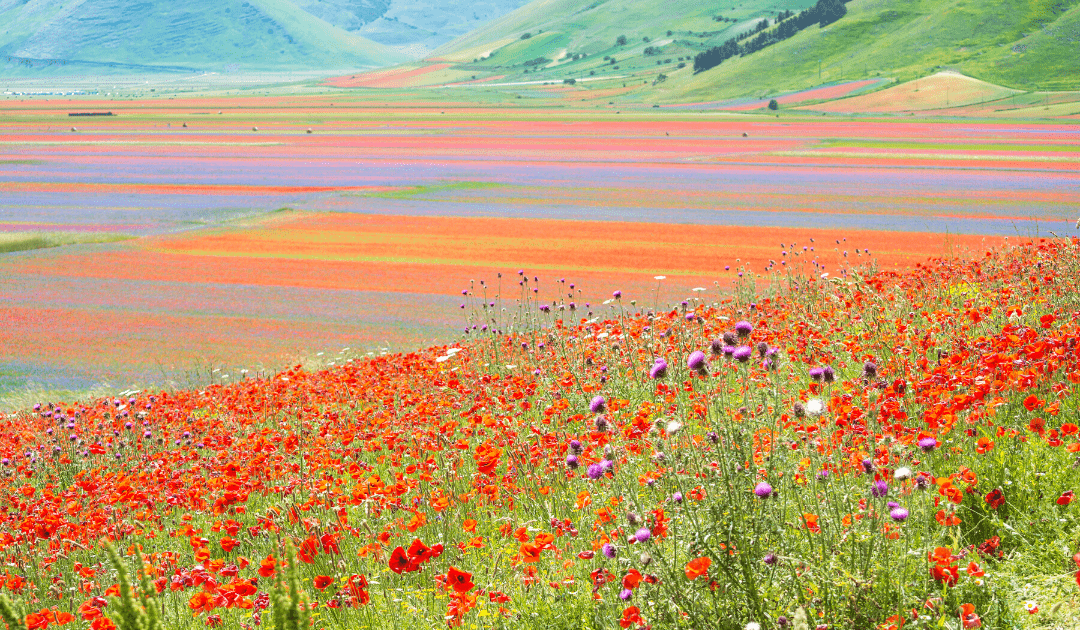
Photography Enthusiasts: May/early June (Umbria’s Castelluccio lentil fields in bloom) and October/November (autumn colors) – the exact entrance of fall and flowering will depend on what region you’re traveling to.
Worst Times to Visit Italy
August: This is when Italians take their annual holidays, meaning many local businesses, restaurants, and shops close – particularly in cities. You’ll find the beaches and tourist destinations extremely crowded, prices at their highest, and authentic local experiences harder to come by. Cities can feel deserted while tourist hotspots are overwhelmed. If you really must visit at August the only area we can honestly recommend are the Italian Alps. Here the weather will be cooler, but still quite warm often reaching 30°C/85°F in the afternoon with the respite of it cooling down at night to the point where air-conditioning isn’t required to sleep.
Christmas Week and New Year’s: While festive, many restaurants and attractions close for the holidays as Italians celebrate with family. Advance reservations are essential, and you may find limited dining options. If you want to come for the Christmas markets and ambience, come at the beginning of December when most markets are open but haven’t been overrun by the crowds.
Easter Week: Similar to August, Easter brings massive crowds to major tourist destinations (especially religious sites), inflated prices, and reduced availability at popular sites and restaurants.
Mid-July through Mid-August in Cities: Urban areas become uncomfortably hot (often exceeding 35°C/95°F), with poor air quality and minimal relief. Many restaurants and family run shops close for their holidays and locals flee to the coast or mountains, leaving cities feeling less authentic and having less services available unless you are focused on a beach vacation. In that case, if you can handle the heat and the crowds, these months offer lots of services open in seaside locations that in the cooler months are empty and shutdown.

AUTUMN
September – The Wine Harvest
Pros:
- Experience the vendemmia (wine harvest) firsthand
- Warm but not scorching temperatures
- Fewer tourists than summer months
- Vineyards at their most picturesque
- Wine festivals throughout the country
Cons:
- Small wineries may be closed to visitors or cancel appointments due to harvest demands
- Requires advance booking and flexibility
- Possible autumn rain showers
- Winemakers are at their busiest and may have limited time for visitors which means if you’re only left to commercialized cookie-cutter wine experiences as small family-run wineries can’t handle the harvest and incoming at the same time.
Visiting Italy during the wine harvest season in September is an absolute treat for wine enthusiasts and even those who are new to the Italian wine scene. As summer starts to fade, the vineyards come alive as the grapevines are picked, setting the stage for a vibrant wine culture that spans the entire country.
But be aware, harvest season is busy season! Many small, local producers do not take visitors during the wine harvest. If you want to experience and support family-owned wineries, you must book well in advance and consider the possibility that last-minute cancellations could occur. This is because most small winemakers test the wine daily for sugar levels, and it is not always a predictable process of when the grapes are ripe for the picking. While you may see larger wineries open to the public year-round with a tourism staff, these wineries are often less concerned about quality and focus more on quantity, which usually ends up in being a more commercial experience and not one where you get to meet the local winemakers.
Want to experience authentic Italian wine culture and meet the small boutique winemakers on your September trip to Italy? Then having someone who has personal relationships with the winemakers and knows how to plan wine experiences during the wine harvest is the best way for you to be able to sit back, relax and enjoy your September Italian vacation and that’s exactly where The Italian On Tour® steps in. We help you immerse yourself in the local wine scene and connect with the locals when you grab your seat on any one of our trips. Click here to discover your options!
Pro-Tip: Timing the peak of the vendemmia isn’t always a perfect science, depending on the heat of the summer and rain. Be sure to have a back-up plan in case a winery cancels your tasting. Don’t want the stress of cancellations or back-ups plans – join us on tour and let us handle all the details and enjoying curated tasting menus and private chef experiences at local wineries where the winemakers pours and pairs the wine just for our small groups!
October – FALL Food Festivals and the Olive Harvest
Pros:
- Only month to experience fresh Olio Nuovo (new olive oil)
- Fall food festivals (sagre) celebrating seasonal produce
- Mild temperatures and beautiful autumn landscapes
- Porcini mushrooms, chestnuts, truffles, and pumpkin in season
- Fewer crowds than summer
- Lower prices on flights and hotels in the big cities than peak season
Cons:
- Increased chance of rain (but it often only occurs for short spurts and later in the month)
- Some sagre have become tourist traps with subpar food
- Coastal areas and beach towns start closing for the season
- Shorter daylight hours
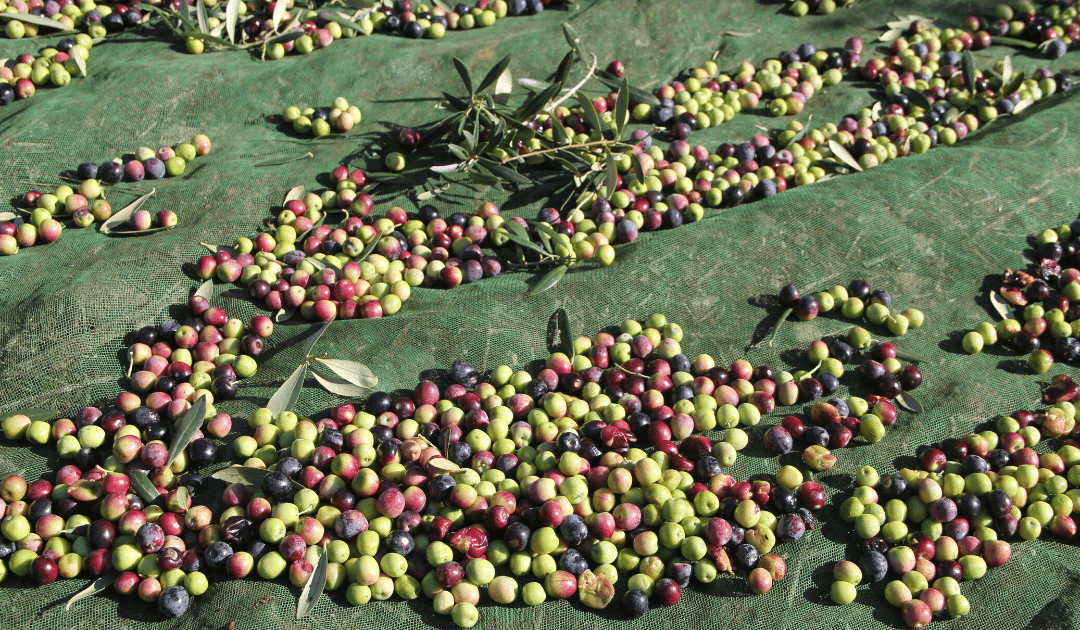
There are many wonderful reasons to plan your trip to Italy in October, with the number one being that it is the only time you can be assured to enjoy the once-a-year experience of seeing (and tasting) the olive harvest firsthand.
A time-honored culinary tradition, visiting Italy in October will allow you to taste freshly pressed olive oil called “Olio Nuovo” (New oil). The Olio Nuovo is highly sought after for its intense and peppery flavor notes that tend to fade as the oil ages, which is why getting to taste it fresh off the press when you join us on select tours in October is an unbeatable experience for your senses and a valid excuse for putting Italy at the top of your list for an October visit.
Now before you go and start asking for EVOO with your pane (bread), take note that olive oil is typically not served with bread (and definitely not balsamic vinegar – read more about Italian Dining Culture) at restaurants in Italy. With one caveat – showcasing the Olio Nuovo (new oil). An exception because the olive oil is fresh and many local farm-to-table restaurants that proudly produce their own oil want to share it with you. Instead, throughout the rest of the year, high quality olive oil is generally utilized in Italian cooking as a finishing flavor, commonly drizzled over sauteed greens, fresh tomatoes during the summer months, grilled meats, and salads.
October’s plentiful produce doesn’t just stop at olive oil. The bounty of autumn produce reignites the season of the sagre (outdoor food festivals) making it one of the best times for foodies to visit Italy. These fall food festivals are based around local specialties like porcini mushrooms, chestnuts, truffles, pumpkin, and local pasta dishes. It’s a time of celebration, where many rural communities come together to partake in the harvest with music, food, and, of course, wine! However, sussing out what sagre are worth it or not isn’t so straightforward as unfortunately “sagra” has become synonymous with “cheap eats”. Which means you risk the gamut of eating subpar food including counterfeit chestnuts and truffles.
That’s why we’ve personally tried, tasted and tested every single experience on your tour with us. Ensuring quality and authenticity. If it doesn’t meet our personal Stamp of Approval, it won’t be on your tour! Instead when you join us on select Italy tours in October you’ll skip the tourist traps, subpar service, or second rate Italian food and be guaranteed to experience authentic Southern Italian hospitality in one of Italy’s largest olive oil-producing regions, Abruzzo. Here you’ll have the opportunity to mingle with the locals, learn recipes, cook with and eat among four generations of Italians. Truly a once-in-a-lifetime experience of spending a traditional Italian Sunday lunch as if you have your very own Famiglia Italiana for the day! A heart warming experience that makes travel to Italy any time of year absolutely life-changing.
Pro-tip: Overall, October is an excellent time to visit Italy. You’ll experience mild temperatures and beautiful landscapes – but prepare and pack for possible showers with our packing guide!

November – Peak Truffle Season and Rare Wines
Pros:
- Peak white truffle season
- Unique wine experiences like Vernaccia di Serrapetrona appassimento
- Lowest tourist crowds of the year
- Significantly lower accommodation prices with the exception of cities and towns near the famous truffle producing areas
- Truffle markets and festivals
- Authentic local experiences without crowds
Cons:
- Colder weather and shorter days
- Higher chance of rain (is one of Italy’s rainiest months)
- Many coastal hotels and restaurants closed for the season
- Some attractions have reduced hours
- Not ideal for outdoor activities or beach time
Once-a-year wine events are not just limited to September which is peak Vendemmia season. Come to Le Marche, Italy in November and you’ll be delighted by the “Appassimento” – withering of the Vernaccia grapes which are produced in the area surrounding the small town of Serrapetrona. Made via a triple fermentation process, which you’ll learn more about when you join us on select tours, is Le Marche’s DOCG wine called Vernaccia di Serrapetrona. A bubbly red wine that is made from the Vernaccia Nera grapes, which are limited to a total of 13 hectares (approximately 32 acres) of vineyards making it a very exclusive production that yields about 8,000 cases of wine per year.
November isn’t just the best time of year to visit Italy for the unique wine events, it is also the peak of the winter truffle hunting season. An unforgettable experience to have on your trip to Italy, complete with culinary delights and memorable moments that can take you from foraging deep in the countryside, high-end dining to putting down your best bet at the local truffle markets. In fact, one of the largest truffle markets is located in Acqualagna in the Le Marche region, the region that you can visit on select tours with us.
Pro-Tip: Looking for an authentic truffle hunt? Avoid any tours or truffle hunts that denote that it is a “simulation”. Although this doesn’t guarantee that it won’t be a simulation (as in the truffles are planted and the dogs already know where they are), it is a step in the right direction to avoid getting ripped off.

WINTER
DECEMBER & JANUARY – Christmas Markets & The Holiday Season
Pros:
- Magical Christmas atmosphere and festive traditions
- Beautiful Christmas markets (especially in Northern Italy)
- Unique holiday foods and treats only available this time of year
- Month-long celebration from December 8 to January 6
- Nativity scenes and festive decorations throughout the country
- Lower tourist numbers (except during Christmas week)
Cons:
- Many restaurants and businesses close December 24-26 and December 31-January 1 and those that don’t often take a week off after the Epiphany (January 6th)
- Cold weather, especially in Northern regions
- Advance reservations essential for holiday period
- Higher prices during Christmas and New Year’s weeks
- Limited dining options during actual holiday dates
- Shorter daylight hours
Italy is magical around Christmas time, with the perfect blend of festive traditions, quaint Christmas markets, and various winter activities. But one day for celebrating Christmas just won’t do – Christmas in Italy kicks off on December 8th, the Immacolata, and goes all the way to January 6th, Epifania. Italians go all out with a month of festivities, big feasts, Christmas markets, nativity scenes and delicious goodies you’ll only find at this time of year.
Christmas Markets typically run from mid-November to late December/early January, with the most famous Christmas markets being hosted in Italy’s Northern cities, which are located near the Italian Alps, such as Bolzano. You’ll find handmade artisan goods, culinary delicacies, and more amongst the brightly lit booths and festive decor, making for a charming Italian experience.

FEBRUARY/MARCH – Carnevale & Pre-Easter Celebrations
Pros:
- Vibrant Carnevale celebrations and parades
- Venice Carnevale is world-famous
- Lower accommodation prices than peak season
- Fewer tourists than spring and summer months
- Beginning of mild weather, especially in Southern Italy
- Traditional foods like frappe and castagnole available
Cons:
- Can still be cold and rainy
- Carnevale week can be extremely crowded in Venice and other major celebration cities
- Some mountain roads may still be affected by winter weather
- Limited hours at some attractions
- Not ideal for beach activities
Italian Carnevale is a vibrant and colorful celebration that takes place in February during the weeks leading up to Lent. This season is marked by a festive atmosphere where the streets and piazzas come alive with parades, music, and more. Personally, I like to compare it to the Italian adult version of Halloween that lasts for up to a month!
SPRING IN ITALY – THE MOST UNDERRATED SEASON
April – Easter, Spring Blooms & Asparagus Season
Pros:
- Spring flowers in full bloom
- Comfortable temperatures
- Gardens and parks at their most beautiful
- Asparagus season begins
- Easter traditions and festivities
- Fewer crowds than summer months
Cons:
- Easter week brings significant tourist crowds
- Higher prices during Easter holiday
- Unpredictable weather with possible rain showers
- Popular sites can be crowded during Easter week
- Many Italians traveling during Easter break
April in Italy offers delightful weather with comfortable temperatures, where the gardens and parks come alive with vibrant spring blooms. This is when Italy begins to truly wake up from winter, with outdoor cafes reopening and locals spending more time in the piazzas.
May & Early June – Strawberries, Lentil Fields & Perfect Weather
Pros:
- Arguably the best weather of the year
- Castelluccio lentil fields in bloom (late May/early June)
- Strawberry season in full swing
- Comfortable temperatures without summer heat
- Longer daylight hours
- Lower tourist numbers than summer
- Most attractions and restaurants fully operational
Cons:
- Late May/early June prices start to increase
- Some popular destinations begin to get busier
- Occasional spring rain showers
- Hotels in tourist areas may require longer minimum stays
The first months of spring also mark the strawberry season in Italy, and when you visit a local family-run farm on our tours that visit Abruzzo you have the opportunity to pick them straight off the strawberry bushes or when you cook with an Italian mamma and olive oil sommelier at her organic farm in Umbria. It’s a seasonal flavorful that is absolutely unbeatable!
One of Italy’s most breathtaking natural phenomena occurs in late May through early June when the lentil fields of Castelluccio in Umbria burst into spectacular bloom, creating a patchwork of colors across the Piano Grande that photographers dream about.

SUMMER IN ITALY – PREPARE FOR THE HEAT & CROWDS
Late June, July & August – Peak Tourist Season
Pros:
- Warmest weather and guaranteed sunshine
- Longest daylight hours
- Peak beach season with warmest water temperatures
- Summer tomatoes at their absolute best (although early September can allow you to taste them at their ripest as well)
- Outdoor festivals and events throughout the country
- All attractions and restaurants fully operational
- Aperitivo culture in full swing
Cons:
- Highest tourist numbers of the year
- Most expensive accommodation and dining prices
- Rome, Venice, and Florence extremely overcrowded
- August sees many local businesses closed (especially in cities)
- Extreme heat in cities (often 35°C/95°F+)
- Long lines at major attractions
- Less authentic experiences in popular destinations
- Air quality issues in urban areas during heat waves
Summer is the peak tourist season in Italy, with warm and sunny weather, and long beach days attracting Italy lovers from all over the globe despite the high seasonal prices. Many first-time travelers dream of a classic Italian summer filled with lazy days at the beach, Caprese salad, and spritz o’clock by the seaside. But are all too often disappointed by the amount of time wasted in line-ups and lack of service, due to many establishments being bogged down with high volume in Italy’s most frequented destinations.
While it is possible to enjoy La Dolce Vita: Summer edition, Rome, Venice, and Florence have become overrun with tourists with the number of visitors often exceeding the number of locals that live there. Unfortunately this leads to many first-time visitors choosing hot and sweaty big bus tours which end up feeling more like a high school field trip than the once-in-a-lifetime trip to Italy they’ve dreamed about. Keep in mind that not only will you compete with North American summer vacationers but also local Italians and Europeans on their school break who tend to be attracted to checking off the big city sites.
Now this isn’t to try to scare you off from a summer Italian vacation. Summer can be the best time to visit Italy, you just need to know how to plan it the right way. Good news is you can still escape the crowds and get to enjoy the top time of year to visit Italy for tomatoes if you choose to go slow and enjoy a relaxed style of summer travel in Italy, where you get to unpack once and immerse yourself in the rhythm of local life.
Instead, when you book a tour with The Italian On Tour®, you’ll avoid the summer crowds while still taking in the tradition of Aperitivo time as the sun goes down (there’s a reason #goldenhour exists), the freshest picks of the season, and dining al fresco with unbeatable seaside views. Our tours have dates throughout late spring/early summer, from the beginning of Spring to last days of summer in September to the beginning of the olive harvest and truffle season in October! And if you’re really set on peak season if you have a group of 10 – 12 you can request to book any of our tours just for your group with custom dates.
Does Italy have a Best time to visit?
As you can see Italy is truly a country of seasons. The “best time” to visit will depend on the experience you’d prefer to have. Whether that’s truffle hunting or Carnevale festivities, the olive or wine harvest, you can’t go wrong! And no matter what season, yes even summer, there is always the chance that you may encounter some afternoon showers. So don’t let a little rain determine what time of year you go, just be prepared and be open to trying new things in order to get the best of the season.
With one big caveat – no matter what month you choose to travel to Italy in, a trip to the Bel Paese is best experienced with a trusted local hosts who will grant you a backstage pass to all the exclusive experiences that most tourists won’t get – and also have a back-up plan for when the weather isn’t behaving, the winery closes on short notice or life quite simply throws you a curve ball which leaves you completely stressed out ending up in you needing a vacation from your vacation (and nobody wants that!).
The easy solution? Let us take care of you and help you finally experience the real Italy that so many travelers that travel to Italy numerous times never get to experience in their lifetime. Secretly you know traveling to Italy is about so much more than seeing the sights; it’s about diving deeper, connecting with locals, and experiencing the everyday Italian La Dolce Vita lifestyle. Click here to finally have the life-changing Italian vacation you’ve always dreamed of!

Frequently Asked Questions About Visiting Italy
November (excluding Thanksgiving week) and January-February (after Epiphany) typically offer the lowest prices for accommodation and flights. You’ll find significantly discounted rates compared to peak season, with November being particularly affordable while still offering excellent culinary experiences like truffle season.
May and September offer the most comfortable weather conditions across all regions with October being magical in Puglia and many parts of central Italy. You’ll enjoy warm but not scorching temperatures (typically 20-25°C/68-77°F), moderate humidity, and the lowest chance of extreme weather events. Early June is also excellent before peak summer heat arrives.
Both seasons are excellent, but your choice depends on your interests. Spring (April-May), which we often call Italy’s secret season, offers spectacular blooms, strawberry season, and the famous Castelluccio lentil fields in Umbria that attract photographers from around the globe. Fall (September-October) features wine harvest, olive harvest, truffle season, and arguably some of the best culinary experiences. Fall tends to have slightly better weather reliability in late September than early Spring with the month of May offering lighter seasonal fare and more sunshine hours.
Peak season traditionally ran from June through August, with July and August being the absolute busiest. However, with more people avoiding these months May, September and October have become increasingly popular as reflected by the cost of hotel pricing which in many high traffic tourist destinations is now considered Peak season in Italy. Which is all the more reason to escape the crowds and head to Italy’s hidden regions where you can experience a tranquil vacation year round Easter week and Christmas week also see significant crowds. During peak season, expect the highest prices, longest lines at attractions, and the most crowded conditions at popular destinations like Rome, Venice, and Florence.
Absolutely! Winter in Italy offers unique experiences including Christmas markets, white truffle season, winter sports in the Alps, and significantly fewer tourists with the exception of the Christmas holidays. While coastal areas and beach towns may be quiet, the major cities and regional capitals remain vibrant. Just be prepared for cold weather and some seasonal closures, especially in smaller towns. Unless you go to Sicily where of course it will not be beach weather, but it will be much milder than say the Dolomites up North.
For a first visit focusing on 2-3 regions, plan for at least 10-14 days. This allows you to experience the culture without rushing. Our small-group tours typically run 8-10 days focusing on one or two regions, allowing you to truly immerse yourself in local life rather than just checking off tourist sites. Whether you choose the “grand tour” of Italy or an escape from the crowds that allows you to unpack once and immerse yourself in the culture two weeks is really the minimum amount required. But keep in mind going to Italy to do all the major cities doesn’t mean you’ve done Italy. On a trip like that you’ll barely scratch the surface. Italy has 20 regions and each region is like it’s own country with it’s own culinary and cultural identity. So if you want to really experience Italy the honest truth is you’ll need a lot more than just one trip.
Avoid August if you want authentic local experiences, as many businesses close for annual holidays. Skip Easter week , Christmas week, and peak summer if you dislike crowds. Avoid planning wine tours in September without professional help, as small wineries often close during harvest and you’ll only be stuck with more commercial wine experiences directed at high volume cookie cutter tourism. And always skip “simulated” truffle hunts and sagre food festivals that have become tourist traps.
Italy’s cost varies dramatically by season and region. Peak season (summer and holidays) in major tourist cities is very expensive. However, visiting during shoulder seasons in lesser-known regions like Le Marche, Abruzzo, or Umbria offers excellent value. Small-group tours can actually save money by providing insider access to authentic experiences you couldn’t arrange independently. Plus save you on stress, struggling with the lingo, and time lost on logistics or arguing your travel mates on how to get from point A to B.
Italy doesn’t have a traditional “rainy season” like tropical destinations, but October through April generally sees more rainfall. November is typically the wettest month. However, rain showers can occur year-round, even in summer, so always pack accordingly regardless of when you visit.
While not essential in major tourist areas, knowing basic Italian phrases significantly enriches your experience, especially in rural regions. It also shows a level of respect learning your please and thank yous not matter what country you’re visiting. Many small family-run businesses, local markets, and authentic restaurants have limited English. Traveling with a local host or small group tour operator bridges this gap and unlocks experiences and conversations that independent travelers often miss. With the right hosts, you’ll can cultural insight and understanding of nuances giving you a deeper understanding of the people and places you visit in Italy.
PLANNING A TRIP TO ITALY?
SAVE THIS POST FOR LATER!